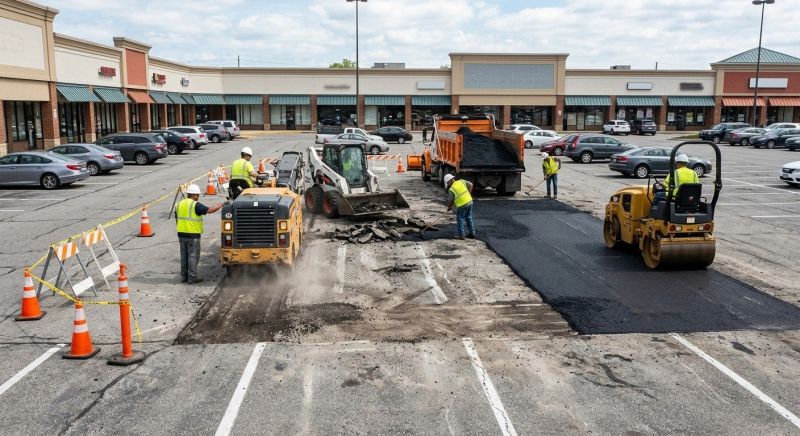
Highway Resurfacing in Little Rock, AR
Highway resurfacing services involve the process of renewing and restoring the surface of existing roads, driveways, and parking lots. This service typically covers projects where the current pavement has become worn, cracked, or uneven, and needs a new, durable surface to improve safety and longevity. Property owners often request resurfacing to enhance the appearance of their property, prevent further deterioration, and ensure smooth, safe driving conditions for vehicles and pedestrians.
Before requesting highway resurfacing, property owners should consider the extent of the existing pavement damage and whether the underlying base is still sound. It’s also helpful to understand the type of traffic the surface will support, as this influences the materials and methods used. Clear communication about the project’s scope, the desired outcome, and any specific requirements can help ensure the resurfacing process meets expectations and provides a long-lasting result.
Many property owners in Little Rock, AR look into Highway Resurfacing for repairs, replacements, upgrades, and appearance-related improvements.
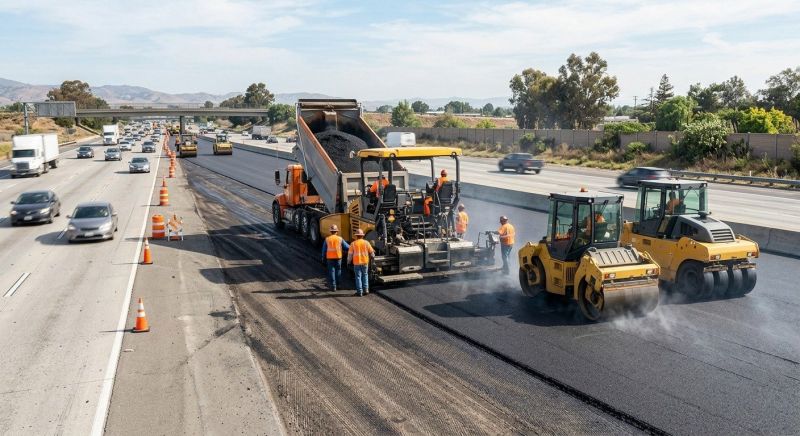
Maintaining Road Safety
Resurfacing helps improve driving conditions and reduces hazards on busy streets.
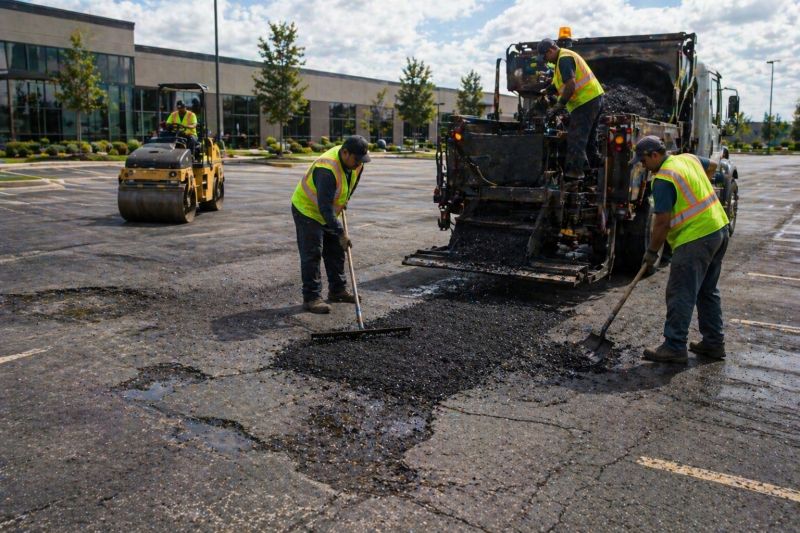
Enhancing Property Value
A well-maintained driveway or parking lot can boost the curb appeal of homes and businesses.
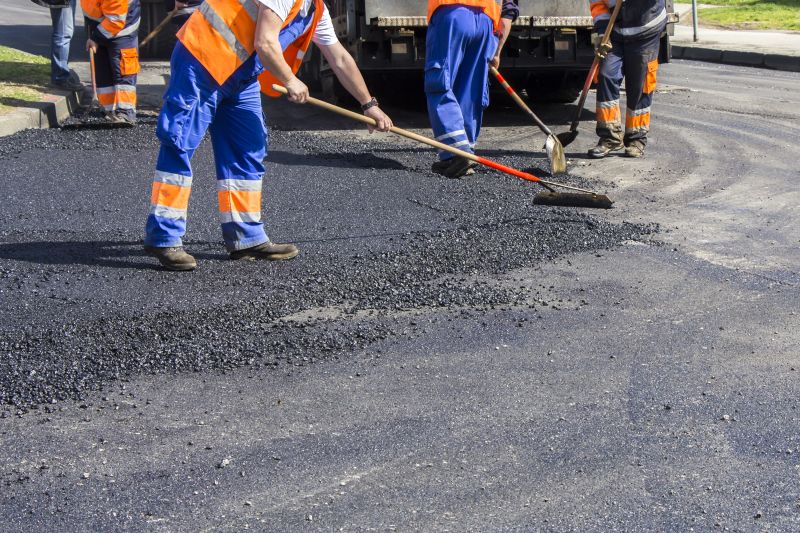
Restoring Surface Durability
Resurfacing extends the lifespan of pavement by repairing cracks and surface damage effectively.
Highway Resurfacing in Little Rock, AR
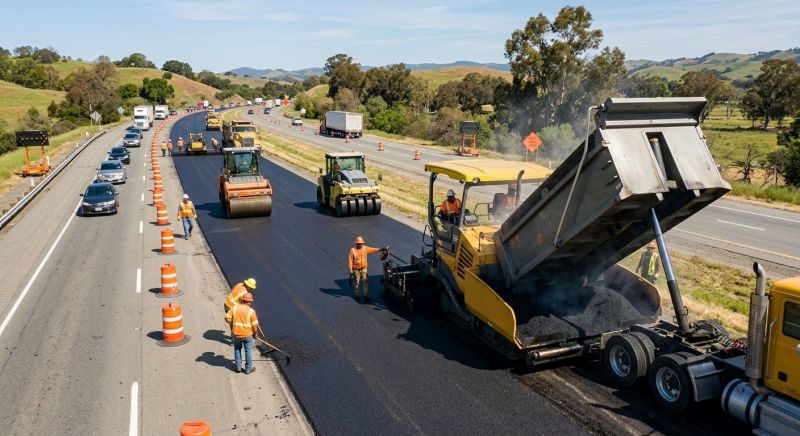
Highway resurfacing services involve the process of renewing and restoring the surface of existing roads, driveways, and parking lots. This service typically covers projects where the current pavement has become worn, cracked, or uneven, and needs a new, durable surface to improve safety and longevity. Property owners often request resurfacing to enhance the appearance of their property, prevent further deterioration, and ensure smooth, safe driving conditions for vehicles and pedestrians.
Before requesting highway resurfacing, property owners should consider the extent of the existing pavement damage and whether the underlying base is still sound. It’s also helpful to understand the type of traffic the surface will support, as this influences the materials and methods used. Clear communication about the project’s scope, the desired outcome, and any specific requirements can help ensure the resurfacing process meets expectations and provides a long-lasting result.
Many property owners in Little Rock, AR look into Highway Resurfacing for repairs, replacements, upgrades, and appearance-related improvements.
Common Highway Resurfacing Jobs
Highway Resurfacing - restoring worn asphalt to improve safety and driving conditions.
Roadway Overlay - applying a new surface layer to extend the lifespan of existing pavement.
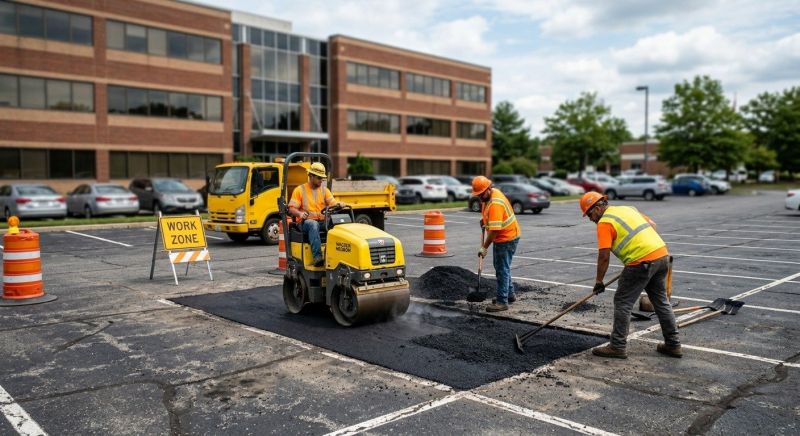
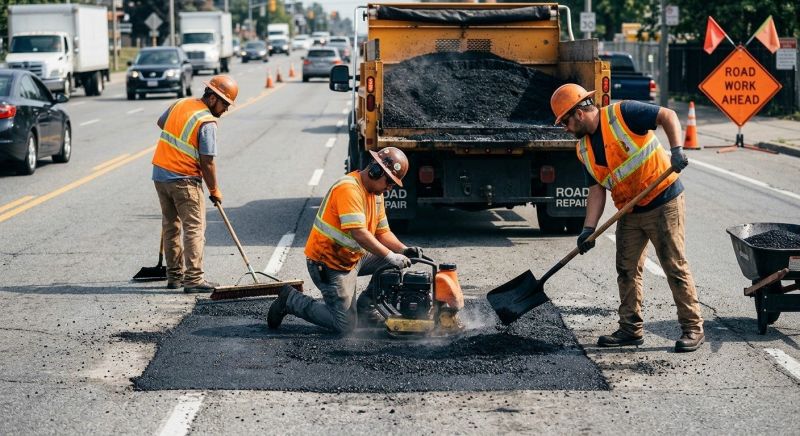
Pothole Repair - filling and sealing potholes to prevent further pavement damage.
Crack Sealing - sealing cracks to prevent water infiltration and pavement deterioration.
Surface Restoration - removing surface imperfections for a smoother, safer driving surface.
Traffic Lane Resurfacing - renewing lane markings and pavement to enhance traffic flow and visibility.
Highway Resurfacing Questions
What is highway resurfacing? It involves applying a new layer of asphalt or other materials to improve the surface of existing roads, enhancing safety and driving conditions.
When should highway resurfacing be considered? Resurfacing is recommended when the road shows signs of extensive wear, cracking, or potholes that affect vehicle safety and comfort.
What types of projects typically require highway resurfacing? Projects include major roadways, parking lots, and access roads that need a smooth, durable surface for daily traffic.
What should property owners know about highway resurfacing? Proper surface preparation and quality materials are essential for long-lasting results and minimal disruption during the process.
Request Highway Resurfacing in Little Rock, AR
Use the quote form on this page to share the basics of your project and request more information for the type of work you need.